
Assessment
A Dark Art or Something Valuable?


We have all been there.
As a trained operational planner in the military, you get exposed to a lot of great lessons that translate well in the outside world. Problem framing, analyzing a mission, generating and selecting a course of action…all really helpful to anyone that charged with creating a plan to achieve some set of outcomes.
There are a lot of “ninjas” in the military planning realm. Dudes and Dudette’s that are quite literally brilliant in their ability to use the planning process and a planning team to eye-watering effect.
The real ninjas though, are the folks that make up the Assessment Cell. These are the geniuses (literally, many are ORSA PhDs) create the indicators of effectiveness and performance that gauge progress across a campaign plan. This is no easy work. They bound it in time, they have an understanding of pace. They go out into the “world” of the campaign and suck up a whole manner of data and information and discern the impact of friendly operations on the enemy. It’s really eye-watering stuff….FOR A GENIUS.
For some of us mere mortals, the balance between level of assessment effort and tangible outcome in terms of effectiveness and efficiency is WAY out of whack. Assessment becomes a dark art instead a valuable tool. Instead of a method to show how resources are being expended and how that relates to progress in a manner that’s useful, it becomes a tool that drives data providers nuts and leaves a decision maker without much to work with. As Leonaidas notes above, if one more person mentions assessment…
A Way Out of the Thicket
Getting the balance right, requires a couple of things. First, generating an assessment mindset based upon purpose. And second, bringing the team together to generate the right metrics. Two works are helpful in gaining an understanding of these topics. Eric Ries' Lean Start-Up and John Doerr's Measure What Matters provide valuable lessons for executives in terms of business strategy, operations, and leader mindset.
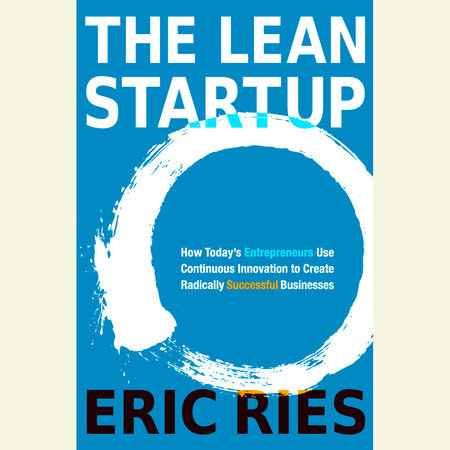
In Lean Start-Up, Ries emphasizes the importance of being agile and adaptable in today's fast-paced business environment. He encourages executives to constantly test and learn from their ideas, rather than spending a significant amount of time and resources on developing a product or service that might not meet the needs of customers. This approach allows companies to quickly iterate and improve their offerings based on real customer feedback.
Eric Ries' Lean Start-Up is all about finding a smarter way to start and grow a business. The key idea is that instead of spending a ton of time and money on creating a detailed business plan, you should focus on quickly building a minimum viable product (MVP) and then testing it with real customers. This way, you can learn what works and what doesn't, and make adjustments along the way.
Some Take-Aways:
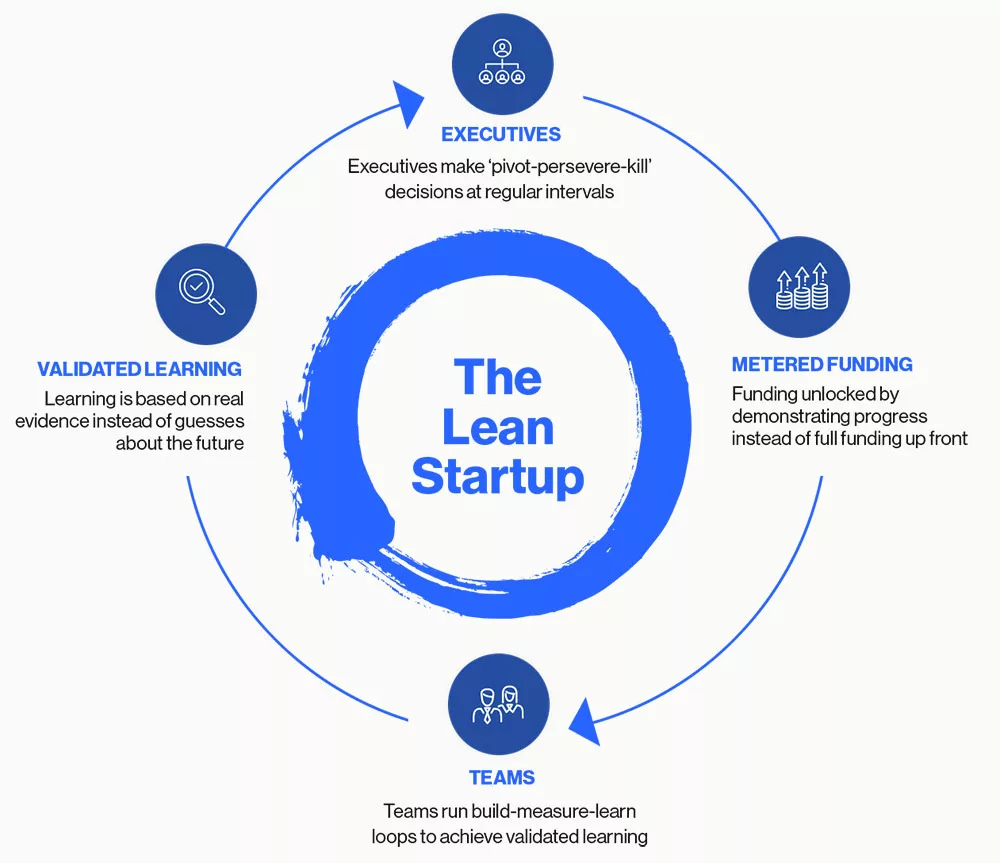
1. Build-Measure-Learn: One of the main ideas in The Lean Start-Up is the concept of building, measuring, and learning. This means that instead of spending years building a product and then launching it, you should build a minimum viable product (MVP) and get it out to customers as soon as possible. This allows you to gather feedback and learn from real customers.
Business leaders can put this into action by encouraging their teams to focus on launching a MVP quickly and being open to feedback. They can also create processes that allow for continuous improvement and learning from customer insights.
2. Validated Learning: Another key idea in The Lean Start-Up is the importance of validated learning. This means that instead of relying on assumptions and opinions, you should gather data and evidence to make informed decisions.
Business leaders can put this into action by encouraging their teams to conduct experiments and gather data to test their hypotheses. They can also create a culture that values learning and rewards employees for taking risks and learning from failures.
3. Pivot or Persevere: The Lean Start-Up also emphasizes the importance of being flexible and willing to change direction if necessary. This means that if your initial idea isn't working, you should be willing to pivot and try something new.
Business leaders can put this into action by creating an environment where experimentation and iteration are encouraged. They can also provide resources and support for teams to pivot if needed.
4. Innovation Accounting: The concept of innovation accounting is another important takeaway from The Lean Start-Up. This means that instead of focusing on vanity metrics like revenue or number of users, you should focus on metrics that measure the progress of your business model.
Business leaders can put this into action by identifying the key metrics that are important for their business and tracking them regularly. They can also create a culture that values accountability and encourages teams to take ownership of their metrics.
5. Continuous Improvement: Finally, The Lean Start-Up emphasizes the importance of continuous improvement. This means that you should always be looking for ways to make your product or service better and more valuable to customers.
Business leaders can put this into action by creating a culture of innovation and improvement. They can also provide resources and support for teams to experiment and try new things. Additionally, they can foster a culture of collaboration and learning, where employees are encouraged to share their ideas and learn from each other.
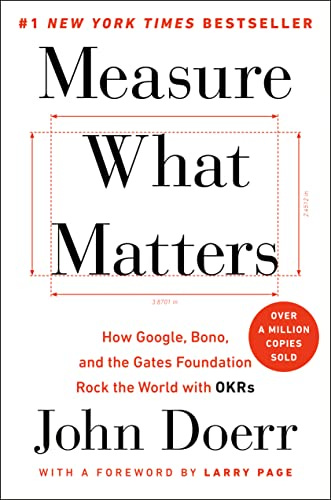
Measure What Matters, on the other hand, focuses on the importance of setting and tracking meaningful objectives and key results (OKRs). Doerr argues that by setting ambitious yet achievable goals and regularly measuring progress, companies can stay focused on what truly matters and drive meaningful results. He also emphasizes the need for transparency and alignment throughout the organization to ensure that everyone is working towards the same objectives.
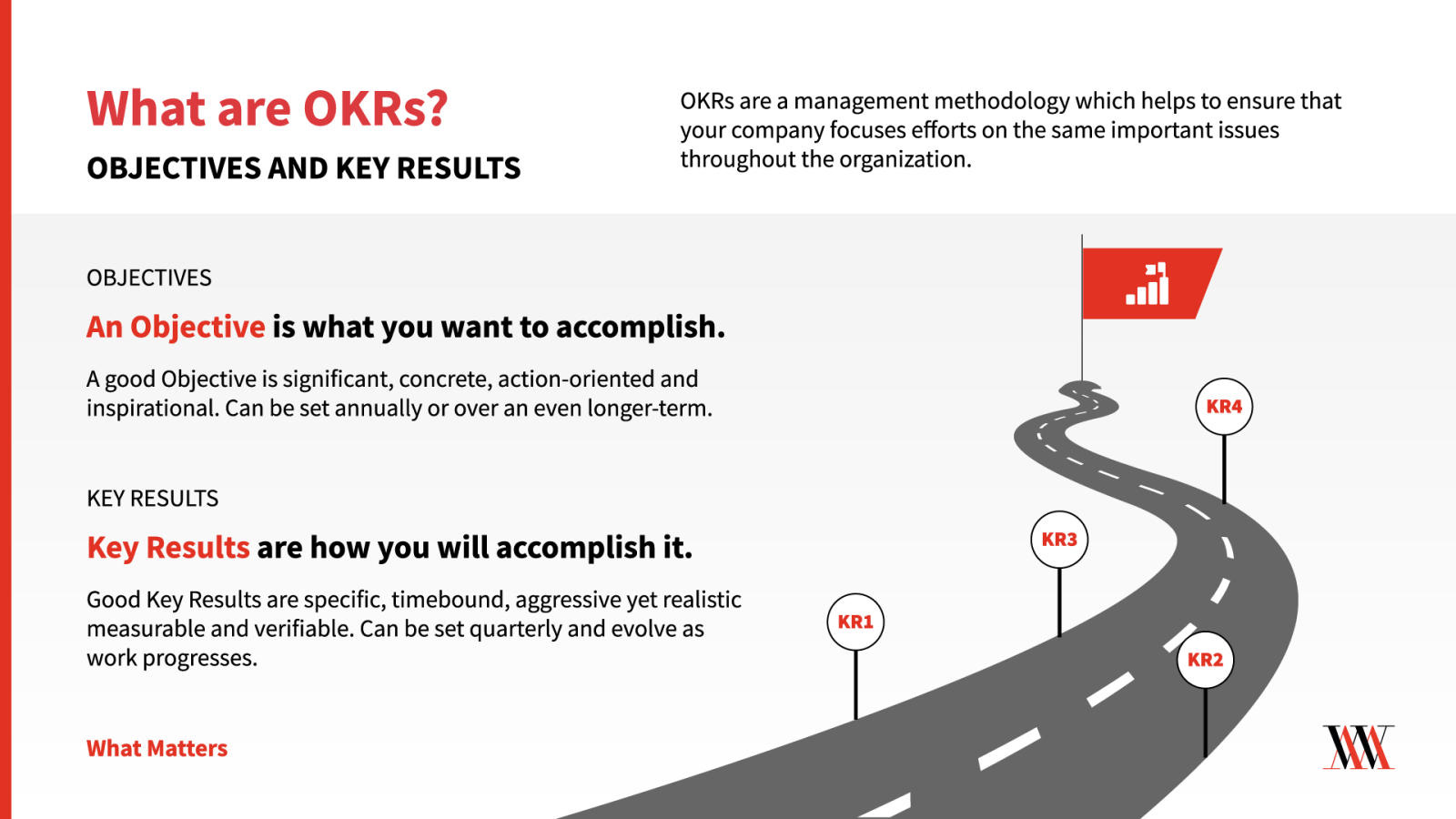
Doerr pioneered the concept of OKRs. They are specific goals that help teams and individuals stay focused and aligned. OKRs should be ambitious yet achievable, and they should be measurable to track progress effectively. It is crucial to ensure that individual and team OKRs are aligned with the overall goals of the organization. This alignment helps create a sense of purpose and ensures that everyone is working towards the same objectives.
Doerr emphasizes the importance of regular check-ins to review progress on OKRs. These check-ins provide an opportunity to discuss challenges, provide feedback, and adjust strategies if necessary. Accountability is crucial to ensure that everyone is actively working towards their goals.
The book emphasizes the need for open communication and transparency within teams and organizations. Creating a culture where people feel comfortable sharing their progress, challenges, and learnings fosters collaboration and innovation. This encourages a mindset of experimentation and learning from failures. By embracing failures as opportunities for growth, teams can iterate and improve their strategies to achieve better outcomes.
Some Take-Aways:
1. Set Objectives and Key Results (OKRs):
Doerr emphasizes the importance of setting clear objectives and key results. OKRs provide a framework for defining and measuring success. Leaders should encourage their teams to set ambitious but achievable goals and define measurable outcomes. By aligning everyone's efforts towards a common purpose, OKRs can drive focus and motivation.
To put this into action, leaders should foster a culture of goal setting and regularly review progress. They can facilitate discussions to help teams set meaningful objectives that align with the company's vision. By tracking key results and providing timely feedback, leaders can ensure that everyone stays on track and makes necessary adjustments.
2. Cascade OKRs throughout the Organization:
Doerr highlights the significance of cascading OKRs throughout the organization. By connecting individual and team goals to broader organizational objectives, leaders can create alignment and drive collaboration. This ensures that everyone's efforts contribute to the overall company's success.
To implement this, leaders should communicate the company's OKRs to all employees and encourage them to develop their own aligned OKRs. Regular check-ins and progress updates can help identify dependencies and foster collaboration. By cascading OKRs, leaders empower individuals and teams to take ownership of their goals and contribute to the organization's success.
3. Foster Transparency and Accountability:
Transparency and accountability are essential for driving results. Doerr stresses the need for open and honest communication within organizations. Leaders should create an environment where people feel comfortable sharing their progress, challenges, and learnings. This transparency fosters trust and enables faster decision making.
To embrace transparency, leaders should lead by example and share their own OKRs and progress updates. They should also encourage open dialogue and provide a platform for employees to voice their opinions and concerns. By fostering a culture of transparency and accountability, leaders can create an environment where everyone feels valued and motivated to achieve their goals.
4. Embrace Continuous Learning and Feedback:
Doerr emphasizes the importance of continuous learning and feedback. Leaders should encourage a growth mindset and create opportunities for employees to learn from their successes and failures. Feedback should be timely, specific, and constructive to enable individuals and teams to improve.
To implement this, leaders should prioritize regular check-ins and performance reviews. They should provide feedback that focuses on growth and development rather than solely on evaluation. By fostering a culture of continuous learning, leaders can create an environment where employees feel supported and empowered to take risks and innovate.
5. Align Purpose and Profit:
Doerr highlights the significance of aligning purpose and profit. Leaders should emphasize the importance of creating value for all stakeholders, including customers, employees, and the broader community. By integrating purpose into the company's DNA, leaders can attract and retain top talent and build a sustainable and successful business.
To put this into action, leaders should articulate and communicate the company's purpose and values. They should ensure that decision-making processes align with these principles. By prioritizing purpose alongside profit, leaders can create a positive impact on society and build a strong and resilient organization.
Conclusion
I love these two books. One offers purpose and the other offers method. Assessment doesn’t have to be hard. You shouldn’t need an army of PhDs to help you sort out whether you are being effective in bringing your product to market in the most efficient way possible.
The concepts found in the Lean Start-Up can get you in the right mindset in terms of what you are bringing to market. The Build-Measure-Learn mindset can help you get to the Pivot-Persevere-Kill decision sooner and keep getting viable product to market. The concepts found in Measure What Matters gets the team focused on a methodology that generates top to bottom objectives that put transparency first and foremost in meeting outcomes. Both books provide processes that align purpose and profit and create a learning mindset within and amongst the team.
As a leader, it is essential that you foster a mindset and establish a framework to assure that you are expending your resources on the right things. You don’t have time to waste capital on something that isn’t generating return on investment and moving you toward your target.
============================================================================
Modulated readers are a community of leaders looking to raise their game for the benefit of their organizations and their bottom line. I love putting this work together for the benefit of this team.
If you are enjoying what you are reading and would like to go on a journey for the sake of your own growth, send me a DM on my LinkedIn Profile and let’s talk about how I can help you meet your goals.